

Bulletproof jacket: safety, technology and comfort for everyday use
Bulletproof protection has evolved considerably over the decades, progressing from simple vests to jackets with integrated bulletproof protection. This equipment now meets the needs of a new target group: civilians, who face personal safety challenges in their daily lives.
In this context, some solutions have been specifically designed for discreet civilian use , such as the V007 bulletproof and stab-resistant jacket from VEST PARIS , certified NIJ IIIA, combining ballistic protection, comfort and everyday wear without the appearance of security equipment.
In this article, we will explore the different aspects of ballistic protection, focusing on bulletproof vests, rigid armor plates, soft inserts, and the essential quality criteria for ballistic equipment suitable for civilian use.

The bulletproof jacket: the principle
The soft bulletproof vest is vital equipment for civilians and diplomats, but less so for law enforcement—including the police and gendarmerie—and military personnel, who generally use the standard Kevlar bulletproof vest.
It offers superior protection against bullets of various calibers, including those from handguns like the .44 Magnum. Level IIIA ballistic protection, an industry standard, ensures safety against high-velocity bullets without sacrificing mobility.
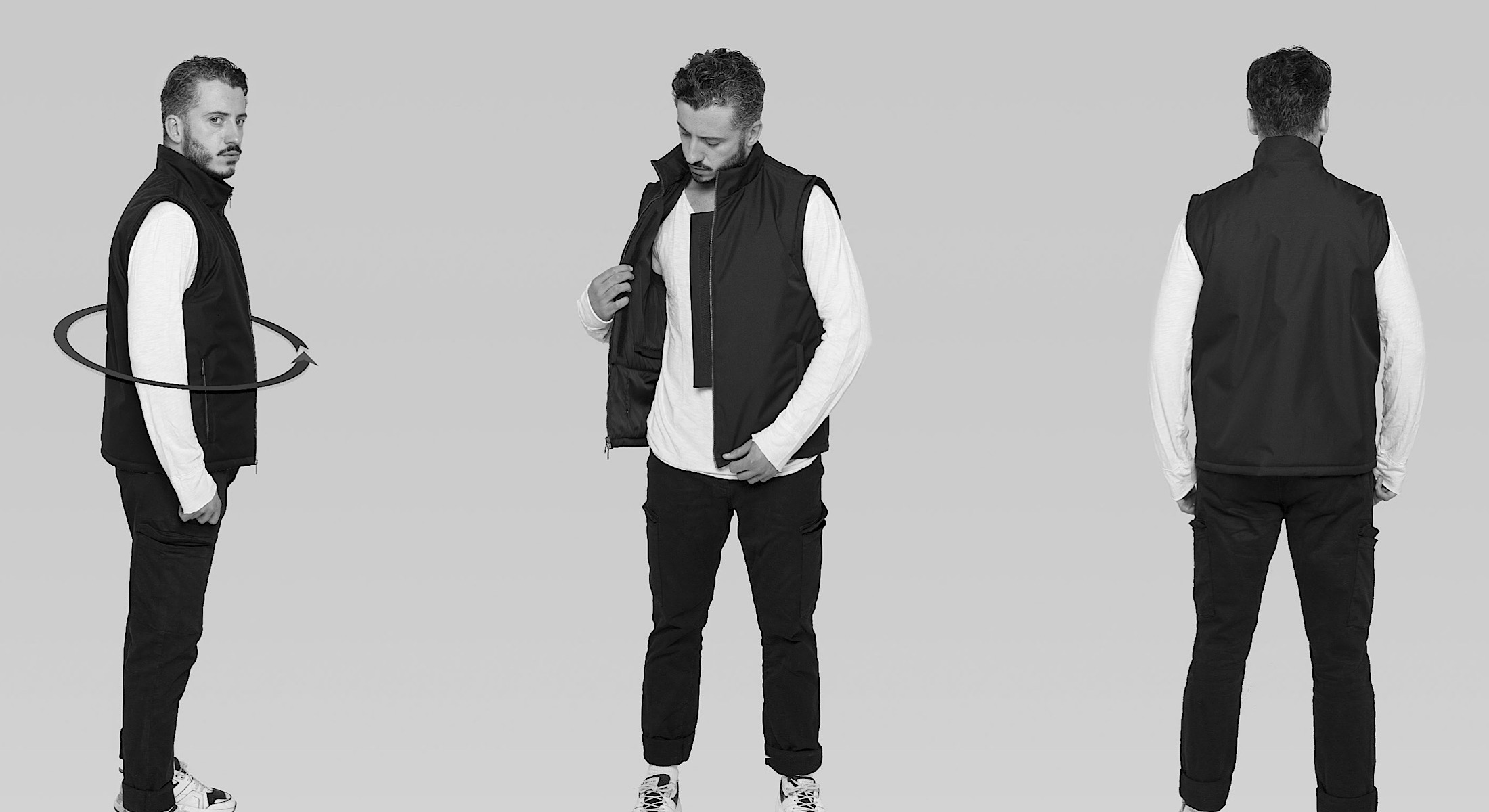
The limitations of bulletproof vests
A standard bulletproof vest is an essential piece of protective equipment for security professionals. However, it quickly becomes restrictive for a civilian who wants to wear one. Here's why:
A vest is an extra item in one's wardrobe; it takes up space on one's person and one has to find another to wear once it's been taken off.
The vest is often equipped with a rigid armor plate.
He's visible, he's not discreet, and therefore there's no longer an element of surprise.
It is unsightly
It is heavy, uncomfortable, bulky
Wearing it for extended periods is tiring and not breathable
Removing it by the head when there is no longer any risk is a tedious and unnatural gesture.
Difference between a bulletproof vest and a bulletproof jacket
How can a bulletproof vest be transformed into a practical and comfortable everyday item? How can it become a classic or standard garment? The first step is to simplify the wearing of this accessory by allowing the user to put it on and take it off easily.
For this reason, it is essential that it can be opened like a standard jacket, that is, from the front. This criterion is fundamental, and at the same time, the same level of Kevlar level IIIA ballistic protection and certification for the abdomen and chest area must be maintained as a standard bulletproof vest that goes over the head.
The jacket must combine complete protection with ballistic support and great practicality.
To solve this first criterion, the solution involves overlapping the plates on the front of the jacket.
To achieve this, a soft, flexible armor insert and good workmanship are needed to make this jacket a comfortable and high-quality level IIIA plate carrier.
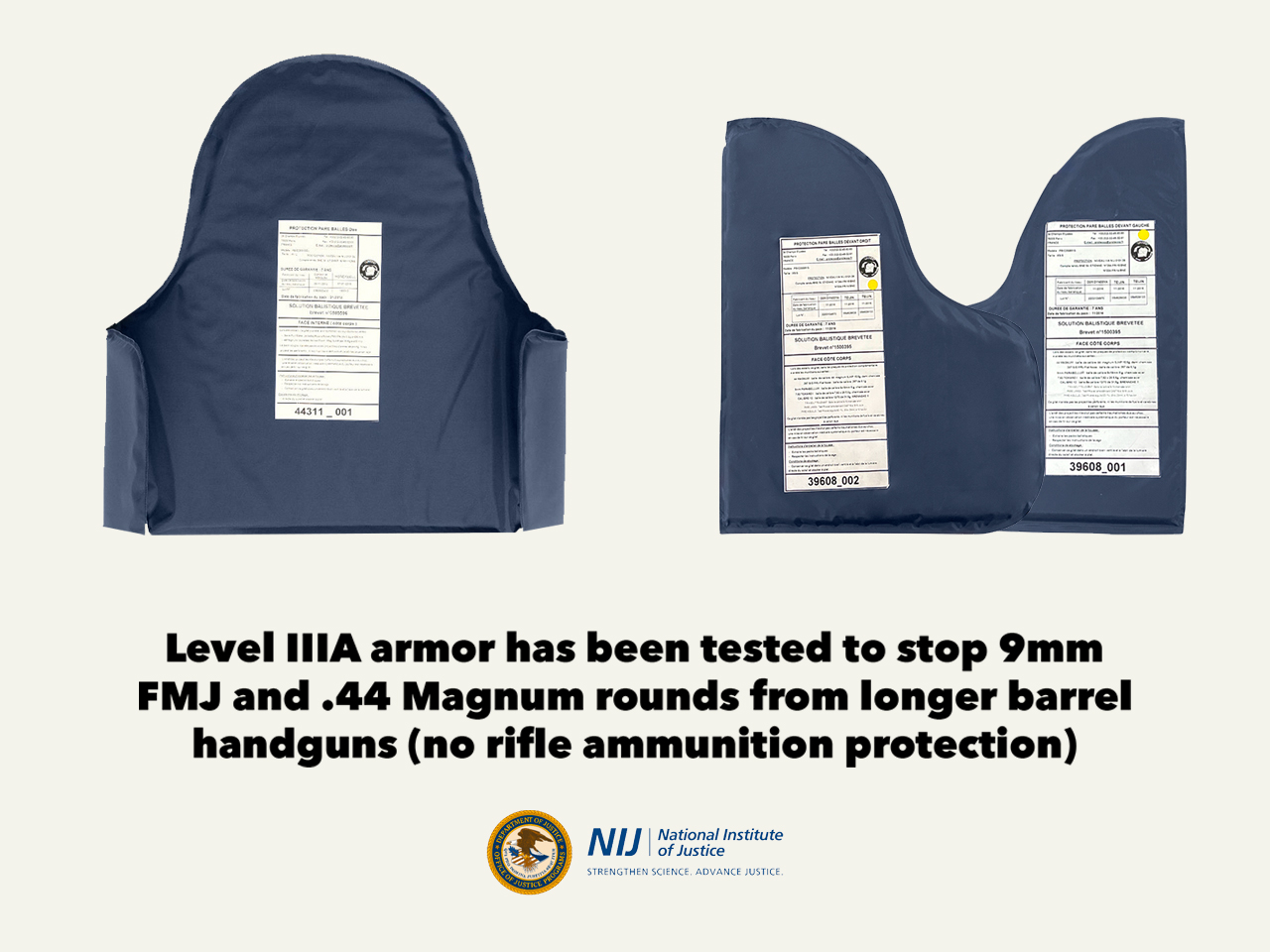
Level IIIA bulletproof vest
To be sold to civilians, ballistics higher than level IIIA and IIIA+ cannot be used.
This level of bulletproof protection protects against handguns such as the .44 Magnum, 9mm, .357 SIG, and 7.62 Tokarev, plus 12mm for level 3A+. This is the level and quality of protection used daily by French and American police forces, for example.
The ballistics must be soft or have a soft armor insert and have a reasonable weight so as not to hinder the mobility of its user, while protecting vital organs 360°: front, back and sides.
To be certified internationally, the plate carrier on the jacket must meet specific heights, surface areas, overlaps, and shapes to ensure that vital organs such as the chest, abdomen, and back are fully protected from handguns.
The jacket then becomes a plate carrier with the same level of protection as a standard bulletproof vest worn by the police, for example.
The pleasure of wearing a bulletproof jacket
Wearing a bulletproof vest is so uncomfortable and restrictive that the benefit of wearing a jacket offers both pleasure and a sense of security.
The goal is to transform the negative experience of wearing a bulletproof vest into a positive and easy one.
Achieving overall garment balance is a priority, as rigid ballistic plates are an intruder in a jacket. It must not tilt forward, backward, or to the side.
With the V007 jacket for example, this long development process has been rewarded by the success of our jackets with our users and praised at the Milipol, Shot Show in Las Vegas and Platinium in Monaco trade shows.
We have succeeded in transforming the unpleasant experience of wearing a bulletproof vest into an unforgettable experience that can be repeated at will.
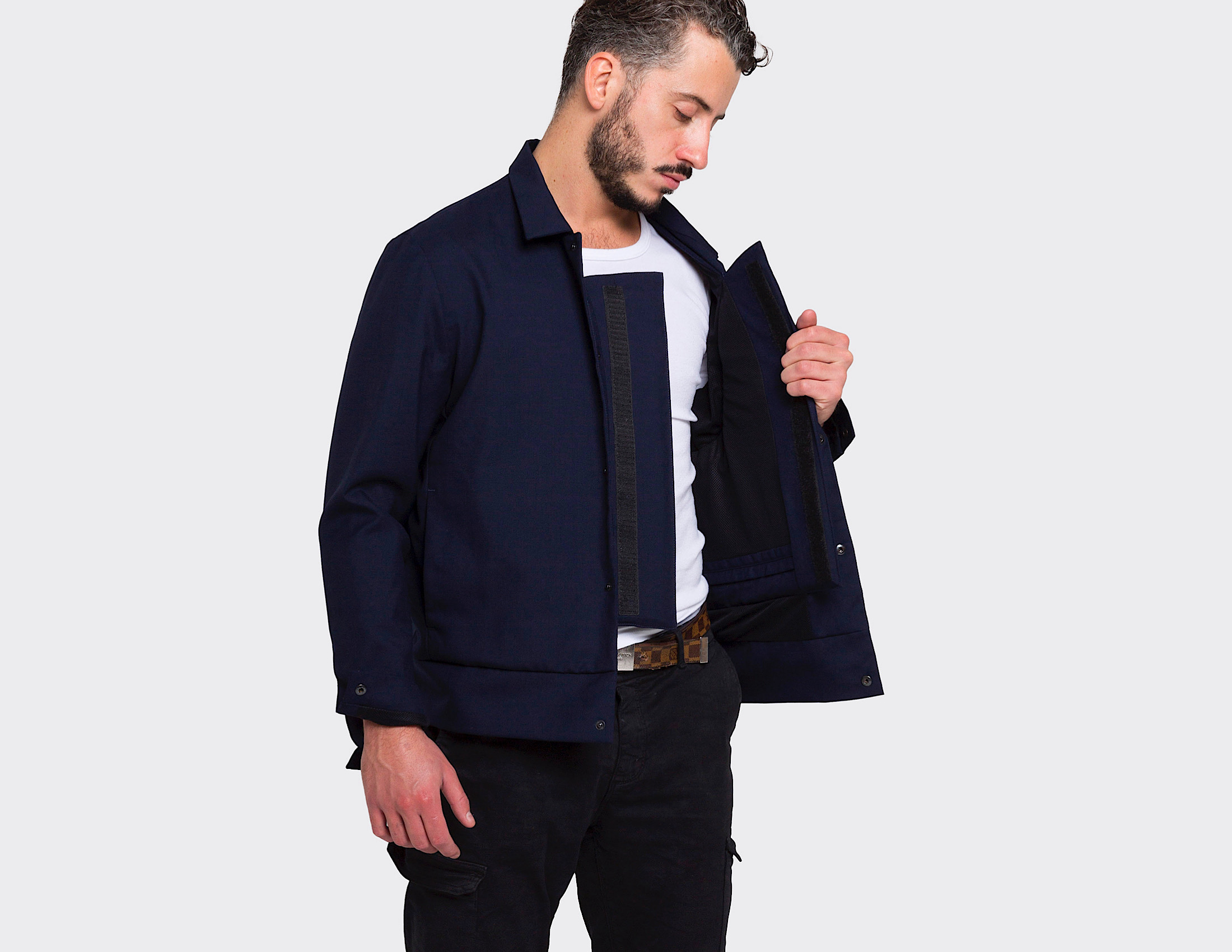
Soft bulletproof protection technology
Ballistic protection relies on two main technologies: flexible armor inserts and rigid armor plates.
The flexible inserts, often made of Kevlar, offer flexible and lightweight protection. They are ideal for a vest worn by police intervention units or discreet civilian jackets such as the V007 jacket, for example.
It can also be integrated into a suit jacket. The fact that Kevlar is soft and lightweight makes wearing the bulletproof vest more pleasant and comfortable.
Rigid armor plates, on the other hand, are designed to stop larger caliber bullets, such as those from military weapons. They are primarily used in tactical vests and are level 4, making them unsuitable for civilians.
A vest equipped with this type of bulletproof armor - often ceramic - is exclusively intended for professionals exposed to very heavy weapons.
Complete protection with rigid license plate bracket
For complete, top-level protection, a vest with a rigid armor plate support is essential.
This vest can accommodate additional ceramic plates for enhanced protection, particularly against assault rifles.
Modularity is also an important factor, with systems like MOLLE (Modular Lightweight Load-carrying Equipment) allowing the addition of pouches and other equipment.
But this level of bulletproof protection is not compatible with a standard jacket.
The versatility of the protective vest
Versatility is a key aspect of the modern bulletproof vest. The same is true for a bulletproof jacket.
A bulletproof vest can be designed to be worn over clothing, offering flexibility and freedom depending on the situation.
But above all, because it's designed like a standard jacket, it can be equipped with all the features of civilian jackets: pockets, conveniences, double-slider zippers, waterproofing, and an aesthetic appeal that a bulletproof vest simply doesn't have.
Quality and Protection Standards
Quality is paramount when it comes to ballistic protection.
The materials used, such as Kevlar, must meet high standards to guarantee safety. Ballistic standards, such as Level IIIA, provide a framework for evaluating a vest's ability to withstand different types of bullets.

The importance of weight in bulletproof vests
Weight is a crucial factor in the design of bulletproof jackets.
Excessively heavy equipment can limit mobility. While this is particularly critical for police and armed forces in action, it is also a concern for civilians. Manufacturers are therefore striving to reduce weight while maintaining a high level of protection. The use of Kevlar is currently the best solution.
Advances in bulletproof materials
Advances in ballistic protection materials like Kevlar have led to lighter, more flexible, and more comfortable vests.
Innovations, such as the use of advanced composite materials, have made it possible to reduce weight while maintaining robust bulletproof protection.
Jackets with ballistic protection in civilian use
Although primarily used by law enforcement and the military, bulletproof vests are also finding their place in the civilian sector.
Security professionals, journalists in conflict zones and even some civilians in high-risk areas are now equipping themselves with ballistic vests for their personal protection.
Conclusion
The bulletproof vest is more than just a piece of equipment; it represents a fusion of advanced technology and the need for security in a constantly evolving world.
Whether for law enforcement, the military, or civilians, bulletproof protection plays a crucial role in saving lives.
With continuous advances in materials and protective technologies, of which Kevlar remains the showcase, these jackets will continue to evolve, offering ever more effective protection while improving the comfort and mobility of those who wear them.
FAQ
What is the difference between a bulletproof vest and a bulletproof jacket?
The bulletproof vest is worn under clothing and removed over the head, while a bulletproof jacket is put on like a classic jacket, opens from the front and remains more comfortable and discreet for everyday use.
What level of protection does a civilian bulletproof vest offer?
VEST PARIS civilian vests are NIJ IIIA certified, the highest level of protection allowed for civilians. They protect against pistol bullets (.44 Magnum, 9mm, 7.62 Tokarev) and knife attacks, depending on the chosen configuration.
Is a bulletproof vest heavy to wear?
No. Thanks to flexible materials like Kevlar or Dyneema, a VEST PARIS bulletproof jacket weighs approximately 2 kg, the equivalent of a leather jacket, while providing 360° protection.
Is it safe to travel wearing a bulletproof vest?
Yes. Civilian jackets like the V007 are designed to pass through airport security gates without triggering alarms, and are legal to carry in most European countries.
Do bulletproof vests also protect against knives?
Yes, some VEST PARIS hybrid models incorporate anti-stab and anti-perforation protection, offering security against knife attacks in addition to ballistic protection.